A Modern Transformation of Urban Living
The real estate landscape is constantly shifting as market trends and urban development come together to create unique opportunities and challenges. A prime example of this transformation is the recent sale of Alta on the Row, a newly built, luxury apartment community in downtown Worcester, Massachusetts. This transaction, which saw the property sold for $157 million to an entity linked with Morgan Stanley’s Eaton Vance Real Estate Investment Group, offers a fascinating glimpse into the evolving world of multifamily housing and urban revitalization.
In this editorial, we take a closer look at the various angles influencing modern urban living. From cutting-edge construction techniques to innovative financing strategies and the role of urban planning, there is much to explore. Our discussion will poke around the finer details behind the deal, examining the subtle parts that come into play when designing upscale residential communities, and how these developments can impact local home improvement trends and services.
The Story Behind Alta on the Row
Alta on the Row is more than just a building—it’s a statement about the power of regeneration and modern convenience in a city that has seen many changes over the decades. Originally developed by Wood Partners, a national real estate firm with an impressive track record, this 370-unit luxury community broke ground in 2022 and was completed in 2024. Situated near Worcester’s Union Station, the development addresses the growing housing demand in Central Massachusetts while simultaneously supporting the city’s urban revival.
At its core, Alta on the Row embodies the new standard for urban living by offering:
- High-end amenities that cater to a modern lifestyle
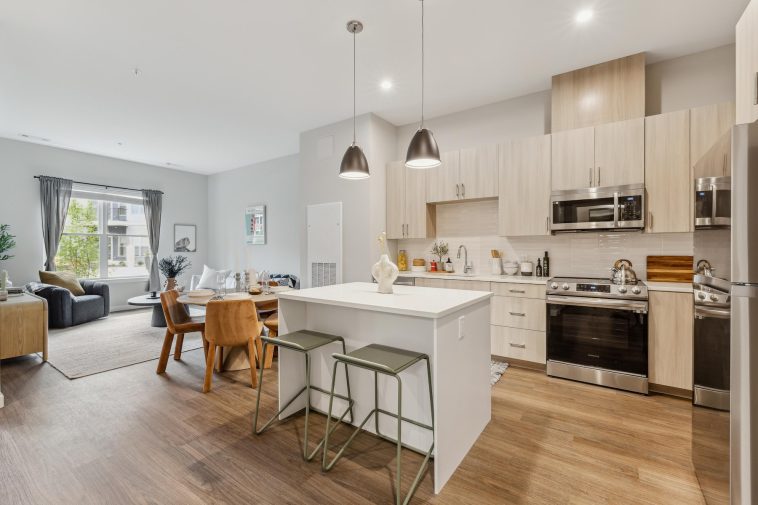
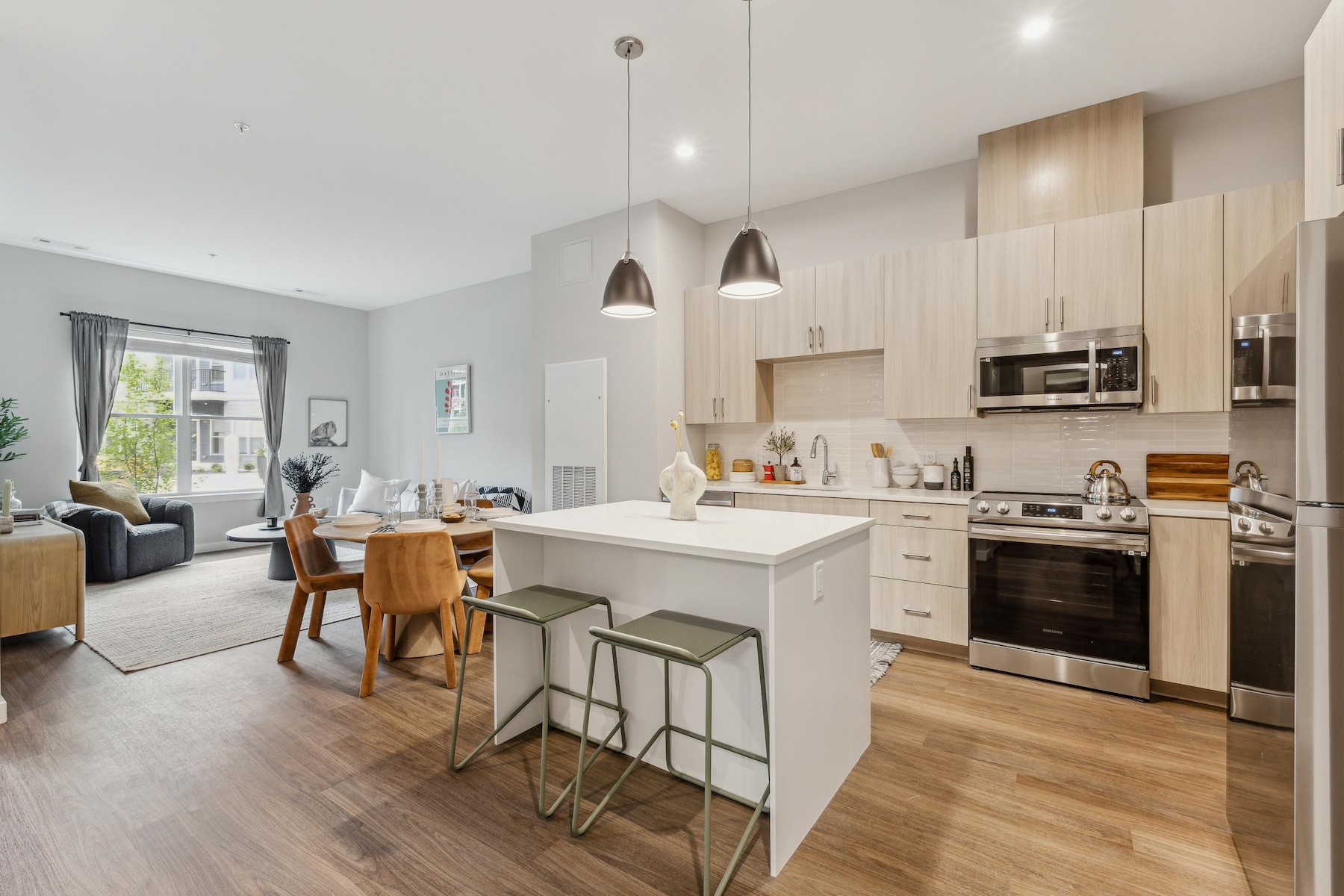
- Modern interior finishes and versatile living spaces
- Proximity to public transportation and local attractions
Such features are significant not just for prospective residents, but also for investors who are looking for stable, income-producing properties in historically challenging areas. In essence, the development encapsulates the delicate balancing act between design innovation and economic opportunity, while also highlighting how modern urban projects can serve as catalysts for community improvement.
A Closer Look at the Buyer and Seller Perspectives
On one side of the deal is Wood Partners, a reputable multifamily developer known for its knack for rolling out upscale residential communities in urban markets. On the other side, we have Eaton Vance Real Estate Investment Group – a branch of the global investment behemoth Morgan Stanley Investment Management. Their focus on high-quality, income-producing properties in robust growth markets makes the acquisition of Alta on the Row a key piece in their expanding portfolio.
It is worth noting the following observations regarding both parties:
- Wood Partners: Demonstrates a firm commitment to quality design and modern living by delivering projects that not only add housing but elevate the urban landscape.
- Eaton Vance: Reflects the growing investor appetite for well-located, upscale developments that provide both attractive returns and long-term stability.
This exchange between a seasoned developer and an attentive investor highlights the intricate dance of modern real estate financing. For home improvement experts and urban planners alike, this deal hints at larger investment trends and signals that cities like Worcester are being seen as vibrant, growth-oriented markets.
Investing in Urban Revitalization: Trends and Opportunities
The sale of Alta on the Row is a microcosm for urban transformation. As downtown areas become hubs of mixed-use developments, they tend to attract not just residents but also a wide range of businesses that can add to the local home improvement and construction services landscape. For homeowners and local property managers, these trends open up several appealing prospects:
- Enhanced Property Value: Revitalization projects can boost the value of surrounding properties, bringing improvements in infrastructure and services that benefit the entire community.
- Innovative Design Standards: Developments like Alta on the Row incorporate modern design ideas that influence local construction trends and inspire retrofits in older buildings.
- Community and Lifestyle Upscale: The integration of public transportation and local amenities presents opportunities for home service providers looking to cater to a more dynamic urban demographic.
While some may find the twists and turns of such high-profile deals intimidating, they also present lucrative prospects for professionals who want to get into the home improvement scene with fresh ideas and innovative solutions.
How Modern Construction Is Changing the Game
The design and construction approach of Alta on the Row is a prime case study in urban redevelopment. With four stories of residential units rising above a structured parking garage, the project redefines what is possible in dense urban environments. This type of mixed-use design, where convenience and luxury are merged, serves as an inspiration for future projects, including those in the residential home improvement arena.
Here are some of the tricky parts and subtle aspects that make these modern constructions stand out:
- Space Optimization: In densely populated urban areas, every square foot counts. Modern developers are challenged to make the most of every inch while providing spacious and comfortable living areas.
- Sustainable Building Practices: Eco-friendly construction is not just a buzzword—it’s increasingly essential. Many new developments feature energy-efficient systems and sustainable building materials that can serve as models for future home renovations.
- Integrated Amenities: From fitness centers to communal workspaces, the incorporation of diverse amenities transforms a simple apartment building into a live-work-play community.
For homeowners and property managers, these insights offer a blueprint for modernizing older homes, ensuring that renovation projects are in tune with contemporary aesthetics and practical demands.
Financing and Investment: Behind the Nitty-Gritty of a $157M Deal
One of the most intriguing aspects of Alta on the Row’s sale is the financial structuring behind a $157 million deal. Investment in real estate often involves a tangled network of financing arrangements, and this transaction is no exception. The buyer’s decision to acquire such a sizeable asset reflects confidence not only in the property but also in the long-term growth potential of the Worcester market.
When it comes to financing large-scale developments, several factors come into play, including:
- Market Demand: Central Massachusetts has experienced a surge in housing demand, resulting from ongoing economic growth and infrastructure improvements. Investors see this as a key indicator of future rent growth and property appreciation.
- Creditworthiness of the Developer: Wood Partners’ track record in delivering quality projects has undoubtedly contributed to investor confidence. Their previous success in urban centers like Greater Boston adds an extra layer of credibility.
- Strategic Geographic Positioning: Being located near Worcester’s Union Station and other local attractions, Alta on the Row is ideally placed to benefit from both commuter influx and local economic activity.
The behind-the-scenes world of financing can sometimes feel overwhelming, with many complicated pieces to figure a path through. However, understanding these financial dynamics is critical not only for investors but also for local service providers and contractors who might indirectly benefit from increased construction and renovation work.
Urban Renewal and Its Impact on Home Improvement Trends
Urban renewal projects, such as Alta on the Row, ripple through communities, leaving a lasting impact on local home improvement and residential services markets. When a city center experiences a surge in upscale developments, homeowners and local businesses alike feel the effects.
Here are some key impacts to consider:
- Increased Demand for Modern Amenities: As the trend toward higher-end urban living takes hold, existing residential properties may strive to match state-of-the-art features. Homeowners are increasingly motivated to upgrade kitchens, bathrooms, and outdoor living areas to boost their property value.
- Localized Service Market Growth: Construction, remodeling, and maintenance services in nearby areas might see an uptick in demand. This growth can stimulate the local economy and create new opportunities for service providers, from landscaping experts to home security installers.
- Adoption of Smart Home Technologies: Many modern urban developments incorporate advanced home automation and security systems. As such, homeowners in rejuvenated urban centers are more inclined to adopt technologies that ensure convenience, safety, and energy efficiency.
These trends emphasize how urban renewal goes beyond just a single development; it sets in motion a cascade of improvements that help modernize even older, established neighborhoods. Home improvement experts now have a fresh palette of ideas to draw from, inspired by the design philosophy and lifestyle aspirations of modern urban developments.
The Role of Architectural Design in Shaping Modern Living Spaces
Architecture is not solely about aesthetics—it plays a crucial role in defining how we live and interact with our surroundings. The design approach taken by the developers of Alta on the Row reflects a broader evolution in urban planning, where the focus is on creating spaces that are functional, attractive, and deeply connected to their environment.
Here are some of the key design considerations that have come to the forefront in modern urban developments:
- Functional Flexibility: The modern home or apartment is no longer just a place to sleep. It must adapt to various lifestyle needs, from working remotely to entertaining guests. Designs that feature adaptable spaces and open floor plans are increasingly popular.
- Aesthetic Appeal: Whether it’s through sleek modern finishes or thoughtful interior layouts, architectural design is essential in creating an environment that feels both trendy and timeless. The balance between form and function is critical, especially in urban settings.
- Integrated Urban Context: Today’s developments are designed with an acute awareness of their surroundings. By blending contemporary design with local architectural traditions, projects like Alta on the Row contribute to a sense of place and community identity.
For homeowners considering remodeling projects or upgrades, there is much to learn from these trends. Modern architectural design not only enhances the look and feel of a property but also improves its functionality and overall value.
Opportunities for Homeowners Amidst Urban Growth
The excitement surrounding high-profile real estate transactions extends beyond investors and developers. Homeowners in the region, whether they live in historic neighborhoods or newer developments, stand to gain from the renewed emphasis on quality, modern living. There are several ways in which urban revitalization creates opportunities for home improvement:
- Upgrading for Resale Value: With the influx of new, modern housing options, older homes may need to be updated to remain competitive. Home improvements ranging from energy-efficient windows to smart home systems can greatly enhance property appeal.
- Improved Community Resources: Urban redevelopment projects often spur investments in public amenities—parks, community centers, and improved transportation links—that benefit all residents, regardless of where they live.
- Inspiration for Renovation Projects: Witnessing the transformation of properties like Alta on the Row can motivate homeowners to reevaluate their living spaces. Whether it’s integrating open-concept designs or adding modern fixtures, the ideas stemming from urban renewal are accessible to homeowners looking to refresh their dwellings.
In a way, these developments serve as a visual roadmap for what contemporary living can look like. The challenge for homeowners is to figure a path through the myriad of remodeling options available and select improvements that are both aesthetically pleasing and super important for maintaining long-term value.
Expert Insights into the Tricky Parts of Modern Real Estate
Diving in to examine the finer details of such real estate developments often means confronting a number of tricky parts. For professionals who work in home maintenance and improvement services, understanding these subtle details is key to staying ahead in the industry. Below is an overview of some of the most critical considerations:
| Aspect | Description | Implications for Home Improvement |
|---|---|---|
| Design Innovation | Modern developments bring new standards in aesthetics and usability. | Inspiration for upgrades and remodeling choices in older homes. |
| Financing Dynamics | Complex financial arrangements push investors to seek stable markets. | Encourages property owners to invest in energy-efficient and value-adding renovations. |
| Urban Infrastructure | Connectivity to public transit and local attractions is increasingly valued. | Leads to an increased focus on improving local public amenities which can indirectly boost residential property values. |
| Sustainable Practices | Emphasis on eco-friendly building materials and energy efficiency. | Homeowners can adopt similar practices to ensure long-term cost savings and environmental benefits. |
By working through these issues, both investors and home improvement professionals can spot opportunities to make meaningful changes that resonate with today’s lifestyle trends. It is all about finding your way through the many layers of modern real estate and home improvement challenges.
Community Impact and Long-Term Benefits
Perhaps one of the most overlooked effects of projects like Alta on the Row is the broader impact they have on local communities. Beyond the immediate financial and aesthetic benefits, urban renewal initiatives contribute to a stronger sense of community and local pride. As cities modernize, public spaces evolve, cultural landmarks are restored, and the overall quality of life improves for residents across the board.
Consider the following broader impacts:
- Increased Safety and Security: Modern developments tend to incorporate state-of-the-art security systems, surveillance, and well-lit public areas. Local home security services can take cues from these innovations to upgrade residential safety measures.
- Economic Growth and Job Creation: Urban redevelopment projects infuse local economies with new jobs, not only in construction but also in retail, maintenance, and home improvement sectors. This cycle of growth benefits everyone in the community.
- Enhanced Curb Appeal: As upscale communities emerge, surrounding neighborhoods often see improvements in landscaping, street lighting, and communal spaces. These upgrades add value to all properties in the area, regardless of when they were built.
The ripple effects of such large-scale transactions extend far beyond the four walls of the building. For local homeowners, the long-term benefits are clear: improved infrastructure, safer neighborhoods, and a more vibrant community contribute to an overall increase in property values and quality of life.
Looking Ahead: What This Means for the Future of Urban Living
The Alta on the Row transaction is more than a headline—it is an indicator of the direction in which real estate and urban development are heading. As investors, developers, and homeowners continue to face a maze of tricky parts and challenging decisions, it’s important to look ahead and consider what the future holds for urban living.
Here are some forward-looking insights:
- Adoption of Technology: The integration of smart home technologies is set to become a key element in future developments. Home automation systems, energy management solutions, and advanced security measures will only become more prevalent.
- Flexible Urban Designs: The need for adaptive spaces that cater to various lifestyles will drive architects to design more flexible and multi-purpose living areas that can easily transition with shifting consumer demands.
- Sustainable Development Practices: With a greater emphasis on environmental responsibility, future projects will likely adopt green building techniques, from energy-efficient appliances to solar integrations, inspiring homeowners and developers alike to prioritize sustainability.
For those in the home improvement industry, these trends signal an exciting time. The lessons learned from major developments like Alta on the Row can be applied on a smaller scale in individual renovation projects. Homeowners can take inspiration from these large-scale changes to update their own properties, embracing innovative designs and eco-friendly solutions that reflect the modern era.
Practical Tips for Homeowners Inspired by Urban Developments
While not everyone is in a position to purchase a newly constructed luxury apartment, there are plenty of practical takeaways from projects like Alta on the Row that can be applied at home. Here are some actionable tips for homeowners looking to refresh their living spaces:
- Modernize Your Interiors: Experiment with open floor plans, updated fixtures, and modern finishes. Even small changes can create a big impact on the overall feel of your home.
- Invest in Energy Efficiency: Upgrading to energy-saving appliances, windows, and insulation not only reduces your utility bills but also adds to your home’s value.
- Enhance Home Security: Take a cue from luxury developments by installing advanced security systems, including smart locks, surveillance cameras, and integrated alarm systems.
- Revamp Outdoor Spaces: Urban development often highlights the importance of communal and outdoor living areas. Consider landscaping projects that create inviting and functional outdoor spaces, perfect for entertaining or relaxing.
These home improvement ideas demonstrate that even though a $157 million real estate transaction might seem distant from everyday life, the fine points of modern design and practical renovations can be accessible to anyone willing to invest in their own property improvements.
Industry Perspectives on the Shifting Real Estate Landscape
Industry insiders and market experts have observed a growing interest in urban developments that balance luxe living with practical daily benefits. Real estate discussions today are often filled with debates over how to figure a path through the busy, competitive market—where every investment decision can feel both promising and nerve-racking at times.
Here are a few industry perspectives that illustrate the evolving dynamics:
- Balanced Portfolios: Many investors now prefer a blend of stable, income-producing assets and high-growth opportunities in urban centers. This balanced approach minimizes risks while potentially maximizing returns.
- Community-Centric Development: There is a growing consensus that successful urban renewal projects should aim to benefit the entire community, not just the investors. This approach enhances quality of life and fosters long-term neighborhood stability.
- Responsiveness to Market Demands: Developers are increasingly aware of the need to adapt swiftly to changing consumer expectations. As trends emerge—whether they involve sustainable practices or modern design innovations—companies that can quickly pivot tend to thrive.
By analyzing these industry trends, it becomes clear that the future of urban real estate hinges on the ability to manage tricky parts while embracing transformative ideas. For those of us involved in home improvement and service industries, keeping a close eye on these changes is not just beneficial—it’s essential for staying competitive and relevant.
Learning From the Past, Building for the Future
Looking back at similar urban renewal efforts can provide valuable lessons for today’s developers and homeowners alike. Previous projects in the Greater Boston area, for instance, showcased how determined focus on quality and innovation can turn even the most challenging pieces of a development puzzle into success stories. The success of Alta on the Row is a testament to the fact that fresh thinking, combined with robust infrastructure investment, can lead to lasting change.
As we contemplate what the future holds for urban living, it is important to consider both the legacy of past projects and the exciting potential of future developments. Through careful planning, smart investments, and a willingness to embrace the latest design trends, the evolution of urban housing appears poised to deliver benefits that resonate far beyond a single transaction.
Final Thoughts: The Ripple Effect of a $157M Sale
In conclusion, the $157 million sale of Alta on the Row is much more than just a headline—it is a beacon of modern urban transformation that has far-reaching implications. From the investment strategies employed by major financial institutions to the subtle design choices that redefine urban living, every aspect of this deal provides insight into the ever-changing nature of real estate.
This transaction highlights the importance of working through tricky bits and soft shifts in investor mindsets, community needs, and technological advancements. For home improvement professionals and homeowners alike, it offers a vibrant illustration of how modern design, innovative financing, and a focus on community can combine to create spaces that are not only beautiful and functional but also forward-looking and sustainable.
As we continue to take a closer look at high-profile deals and emerging market trends, it is clear that the future of urban living will be shaped by projects that are as daring as they are thoughtful. Whether through redesigning existing homes or planning new developments, there is a wealth of opportunity in aligning traditional home improvement approaches with the new wave of urban innovation.
Ultimately, the lessons learned from the Alta on the Row deal can serve as a roadmap for crafting a brighter, more dynamic future for urban living. In a world where every investment and renovation decision carries the potential to transform communities, staying informed and adaptable is key. After all, success in today’s market is all about finding your way through the twists and turns—and ensuring that the end result not only meets current needs but also sets the stage for what’s next.
Embracing Change: How Future Developments Can Inspire Home Improvement
For anyone involved in home services—from remodeling experts to home security professionals—the ripple effects of urban development projects offer practical lessons. The evolving trends in city living, as demonstrated by Alta on the Row, remind us that improvement never comes to a standstill. Instead, it demands innovation, flexibility, and a spirit of continuous upgrade.
Future developments are expected to more deeply integrate technology and smart infrastructure, providing a multitude of ideas that can be translated into residential projects. For example, consider the following strategies which can be beneficial for home improvement enthusiasts:
- Smart Integration: Incorporating energy-efficient systems and automation in household renovations can enhance convenience and efficiency.
- Design Fusion: Merging modern aesthetics with traditional charm can result in living spaces that are both unique and engaging.
- Sustainable Focus: Using sustainable materials and eco-friendly practices not only benefits the environment but can also reduce long-term maintenance costs.
Homeowners and service providers are increasingly looking to successful urban developments as proof that modern living can take many forms. The creative interplay between style and functionality represents a powerful trend that can inspire meaningful changes even at the single-family home level.
A Call for Local Collaboration and Community Engagement
As cities like Worcester experience a surge in innovation and modern construction, it is essential for local communities to come together and leverage these advancements for broader benefit. Collaboration amongst developers, local government, and home improvement professionals can create an ecosystem where every project contributes to community upliftment.
Some effective measures include:
- Community Workshops: Organize local events that bring together experts to share insights on modern home improvement techniques and urban design trends.
- Partnerships with Local Businesses: Foster cooperation between developers and local service providers to ensure that urban renewal benefits the entire community.
- Public-Private Initiatives: Support projects that combine public infrastructure improvements with private sector innovation, ensuring that enhancements in urban living have a lasting positive impact.
This collaborative spirit is essential in making sure that high-profile developments like Alta on the Row serve as catalysts for widespread community improvement. Ultimately, the success of any urban project will depend on how well all stakeholders work together to manage the confusing bits and nerve-racking decisions that arise along the way.
Conclusion: Shaping Tomorrow’s Urban Tapestry
Alta on the Row stands as an exemplar of modern urban development that successfully merges upscale living with strategic investment. Its sale for $157 million is a landmark moment—one that encapsulates current trends in design, financing, and community rejuvenation, while also pointing us toward an exciting future.
For those of us in the home improvement and home services industry, the implications are clear. There is a tremendous opportunity to harness the innovative ideas emerging from high-profile urban projects and translate them into practical, everyday improvements for residential properties. Whether you are a homeowner considering your next renovation, a contractor looking to upgrade your service offerings, or simply an enthusiast keen to follow market trends, the story of Alta on the Row provides countless lessons and inspirations.
By embracing new design philosophies, integrating smart home systems, and participating actively in community improvement efforts, we can all contribute to shaping a future where modern urban living is within reach for everyone. This is a time to celebrate progress, work through the inevitable challenges, and look forward to a landscape that is as dynamic and resilient as the communities it serves.
In the final analysis, the twists and turns of today’s real estate market remind us that transformation is ongoing. With every new project, every updated design, and every innovative service implemented, we get one step closer to building cities and homes that not only meet the needs of today but are also ready to face the future. As we figure a path through this vibrant era of change, one thing remains clear: modern urban living is here to stay, and it promises to make our homes, communities, and lives better than ever before.
Originally Post From https://bostonrealestatetimes.com/alta-on-the-row-in-worcester-sold-for-157m-to-morgan-stanley-affiliate/
Read more about this topic at
Navigating Luxury Multifamily: A Guide to Class A Investing
Top 10 Emerging Multifamily Markets of 2025