Commercial Real Estate in Northwest Arkansas: A Close Look at Vacancy and Growth
The current state of commercial real estate in Northwest Arkansas has caught the attention of many local business observers. Recent data, freshly released in the Skyline Report, indicates that despite a rise in vacancy rates in the region, the overall market remains balanced and, in many ways, remarkably healthy. In this opinion piece, we take a closer look at the trends that are reshaping the commercial landscape, the impact of increased building permits, and the shifting role of major players like Walmart in the region’s development.
Observing the Rise in Vacancy Rates: Understanding the Numbers
According to the latest analysis, commercial vacancy rates in Northwest Arkansas rose by 1.4 percentage points to 7.2% in the first half of 2025. Although this is the highest rate since the latter part of 2021 when vacancies peaked at 8.3%, expert commentary suggests that the market is not in distress. Instead, the rise seems to be part of a broader, more dynamic pattern involving new developments and the conversion of previously owner-occupied spaces into leased areas.
This evolution is best understood by taking a closer look at the breakdown by sector. For example:
| Sector | Vacancy Rate H2 2024 | Vacancy Rate H1 2025 | Change |
|---|---|---|---|
| Warehouses | 7.6% | 10.4% | +2.8 percentage points |
| Retail | 4.9% | 6.6% | +1.7 percentage points |
| Offices | 6.3% | 6.8% | +0.5 percentage points |
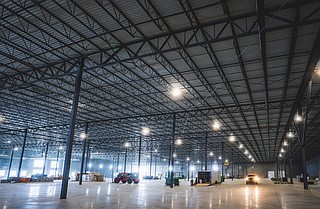
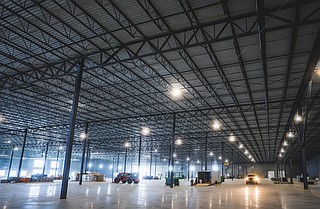
While these numbers might at first glance worry some investors, it is important to interpret the data within the context of a growing regional market. The increase in vacancy in certain sectors, particularly warehouses, is largely linked to companies rearranging their space requirements. A single departure of a 300,000-square-foot warehouse space has contributed significantly to this trend. Instead of being an overwhelming sign of decline, this reflects the shifting and adapting needs of businesses in a thriving economy.
The Surge in Building Permits: A Positive Indicator for Future Development
One of the more intriguing facets of the report is the dramatic surge in building permit values. In the first half of 2025, permits soared by 48.3%, reaching $290.2 million compared to $195.7 million in the previous period. This rise, which includes a portion of permits related to a major Walmart Home Office project, signals robust future development even as the landmark project winds down.
Breaking down the specifics, permits related to Walmart accounted for just under 5% of the total in the current period. That contrasts starkly with earlier phases of the project where Walmart’s influence dominated permit values. As these figures diminish, signs point to a more diversified and robust stream of commercial development spearheaded by non-Walmart related activity.
The following points highlight some key observations regarding the building permits:
- The overall increase in permits demonstrates strong investor confidence in the region.
- The reduction in Walmart’s share of permit values hints at a balanced and multipolar growth model.
- The distribution of building permits across different geographic areas and sectors suggests a healthy spread of development opportunities.
This shift, marked by a diversification away from reliance on one major project, points to a market that is both expanding and adapting. Investors and business owners can take heart in the fact that while there are some tricky parts, such as rising vacancies in select sectors, the underlying fundamentals of growth are positive.
Walmart’s Changing Role in Regional Development
During the initial phases of the Walmart Home Office initiative, the major retail company was a primary driver of commercial permit activity in Northwest Arkansas. In fact, between the first half of 2021 and 2023, more than half of all building permits in the region were connected to Walmart’s project. As the project winds down, we now see Walmart-related permits contributing only about 1.7% of permit values in subsequent periods.
This evolution is interesting for several reasons. First, it shows how large-scale projects can initially create a boom, but sustainable growth depends on the development of multiple sectors. Second, it introduces the possibility that the region’s commercial real estate market is moving away from being overly dependent on one corporate entity, leading to more diverse economic opportunities and reduced risk. While change can feel intimidating, it also opens the door to innovative opportunities and a broader base of growth.
For business owners who are trying to find your way in an environment where major corporations can shift strategies rapidly, the key takeaway is diversification. As Walmart reduces its footprint in permit values, the space is set for numerous other developers to step in, ensuring that growth is shared across various segments of the market.
Balancing Growth with Shifts in Market Dynamics
The recent data suggests that the commercial real estate market in Northwest Arkansas is characterized by a series of subtle twists and cycles that are both challenging and innovative. Many experts point out that while rising vacancy numbers in some submarkets might appear to be cause for concern, they are balanced by vigorous new construction initiatives. The market is essentially recalibrating itself to allow for expansion while managing the available space effectively.
Some of the key factors contributing to a balanced market include:
- Increased building permit values reflecting robust future construction.
- The dispersion of permits across various geographical areas ensuring no single spot becomes oversaturated.
- Adaptive strategies among businesses that transition to new leasing models and flexible space arrangements.
This balance indicates that while there are some confusing bits—such as the patchy vacancy increases among different submarkets—the overall commercial sector is on a sound footing. Real estate professionals are finding that very low vacancy rates, commonly seen as exclusively positive, may sometimes create challenging situations in an expanding economy. Excessively low vacancies can limit availability and lead to competitive bidding on leases, which in turn might raise costs. However, the current slightly higher rates simply reflect a market that is finding its equilibrium between supply and demand.
Challenges and Opportunities: Working Through the Changes
Every growing market comes with its own set of twisted issues, particularly as investor expectations shift and companies recalibrate their space requirements. Some of the obstacles that arise include:
- The need to figure a path through new vacancies, especially in the warehouse sector, where a single business’s relocation can cause a significant spike.
- Dealing with a retail segment where national chains have begun to cease operations or have closed many locations, leading to changes in local availability.
- Managing the shift from owner-occupied office spaces to leased ones, which can temporarily increase vacancy rates but ultimately offer more flexibility in a growing market.
On the flip side, these challenges open up significant opportunities. For example, developers and investors can capitalize on the rise in vacant industrial and retail spaces by introducing modern, adaptive-use developments that meet current market demand. From a long-term perspective, the evolution of these trends can serve as a bellwether for more reliable and diversified growth.
Key Trends for Future Consideration
As we take a closer look at the market, several trends stand out as being critically important for businesses and real estate professionals looking to stake their claim in Northwest Arkansas. These include:
- Increased Permit Activity: The 48.3% jump in building permits is a super important indicator of future growth. This increased activity is spread across sectors, ensuring that growth isn’t isolated to a single market segment.
- Diversification Away from Major Players: The decline in Walmart’s relative permit share over recent periods heralds an era where smaller developers and diverse industries are having a more significant impact. This diversification is essential for a resilient market.
- Adapting to Shifts in Demand: Businesses are finding more owner-occupied spaces turning into leased real estate which means that the market is increasingly fluid. Flexibility in workspace utilization and leasing conditions remains key.
- Geographic and Sectoral Balance: Permits being well dispersed geographically show that development isn’t being concentrated in just one area. This spread helps prevent market saturation and encourages a balanced regional growth.
These trends provide a roadmap for stakeholders in the commercial real estate market. Investors, developers, and business owners should continue to get into detailed discussions with market analysts to ensure they have the latest documented insights into investments and leasing opportunities.
Expert Insights and Market Sentiment
Opinions from market experts such as CBER Director Mervin Jebaraj and Gene Gates, executive vice president and loan manager at Arvest Bank, highlight that the current growth story is replete with both opportunities and minor challenges. Jebaraj pointed out that while the increase in vacancy might seem on edge, companies have mentioned that extremely low vacancies can also prove off-putting when companies look for space to expand.
Gene Gates emphasized that the commercial lending teams are actively supporting development initiatives throughout the region. Their efforts include helping business owners find your way through tricky building permit processes and manage leasing transitions effectively. In many ways, the commitment by financial institutions to work through these challenges underscores the resilience and strategic adaptability of the market.
Both experts agree that while the rise in vacancy could be perceived as a red flag by some, it is simply a sign of a market in transformation. In a thriving region like Northwest Arkansas, growth remains robust, and the market is continuously adjusting its fine points to foster both stability and expansion.
How the Regional Economy Can Benefit from These Shifts
The recent developments in commercial real estate are not isolated occurrences but part of a larger economic narrative in Northwest Arkansas. As new building permits drive construction and diversified leasing strategies take hold, the region is poised to offer significant economic benefits. These include increased employment opportunities, enhanced consumer spending, and overall economic diversification that strengthens the local marketplace.
The following are some of the notable benefits that are emerging from these trends:
- Job Creation: New construction projects often lead to short- and long-term employment opportunities. From construction to ongoing property management, these jobs help boost the economy.
- Economic Diversification: As the market shifts away from reliance on a singular major project, smaller developers and businesses can fill in, leading to a more balanced economic base.
- Enhanced Commercial Services: With new space and upgrades to existing structures, service providers—from security to maintenance—stand to see significant growth.
- Broader Investment Appeal: A dynamic, balanced market is more attractive to both domestic and international investors. The visible commitment to growth and diversification is drawing a wider pool of interest.
For residents and local businesses alike, the outcome is a regional economy that is both sustainable and adaptive. While the twisted issues of short-term vacancies may present some nerve-racking moments, the overall picture suggests a forward-looking, balanced market that is both encouraging and resilient.
Addressing Concerns: What Do the Vacancy Figures Really Mean?
One of the most recurring questions in discussions about the latest Skyline Report concerns the interpretation of the rising vacancy rate. Some worry that an increase, however modest, might indicate underlying issues in the commercial real estate arena. However, experienced analysts counter this viewpoint by emphasizing that a moderate increase in vacancies is not uncommon during periods of robust economic growth.
In a dynamic and expanding market, the availability of additional space often reflects growth rather than decline. Consider the following points when evaluating these figures:
- Temporary Lulls: Vacancy increases can be temporary and are often associated with businesses reassessing their space needs during times of rapid expansion.
- Space Reallocation: The conversion of previously owner-occupied office spaces into leased spaces is part of a natural progression as organizations adjust to evolving market demands.
- Sector-Specific Fluctuations: Not all sectors experience the same trends simultaneously. For instance, while the warehouse and retail segments show steeper increases in vacancy, the office segment remains more stable.
By recognizing that these shifts are a normal part of a growing market, investors and business owners can steer through the confusing bits with a clearer perspective. The increase in vacancies thus far does not signal a market in distress but rather one that is adjusting to new roles, new business models, and a changing regional economy.
Strategies for Business Owners in a Transforming Market
For local business owners and investors, understanding these evolving trends is super important. The current market offers both challenges and distinct opportunities that require a proactive approach. Here are a few strategies to consider:
- Reassessing Space Needs: Rather than viewing rising vacancies as purely negative, businesses can use this time to reevaluate their requirements. Think about flexible leasing agreements or even sharing space to reduce costs.
- Leveraging New Development: With building permits at a high, companies involved in construction, maintenance, or refurbishment can tap into a robust pipeline of projects. This proactive approach can mitigate the impact of short-term market shifts.
- Diversifying Assets: Investors might consider a more diversified portfolio across various sectors such as warehouses, offices, and retail spaces. This balanced approach can help cushion potential impacts from sector-specific downturns.
- Staying Informed: Regularly reviewing market reports and staying in close contact with local commercial lenders can provide up-to-date insights. This, in turn, allows business owners to make more informed decisions about leasing, investment, or development.
Taking a closer look at these strategies provides business owners with the tools they need to work through the slight challenges indicated in current reports. Whether it’s diving in to take on new lease opportunities or rethinking how commercial space is utilized, the key is to remain flexible and responsive to the changing market conditions.
The Road Ahead: Future Perspectives on Commercial Development
Looking forward, the future of commercial real estate in Northwest Arkansas appears promising despite the current twists and turns. As building permits continue to increase and the market adapts to shifting space needs, it is clear that the region is on a trajectory toward sustainable growth. The recent trends show that even though there may be nerve-racking moments with rising vacancies in parts of the market, overall development is strong and well-balanced.
Several factors contribute to this optimistic outlook:
- Robust Permit Growth: The substantial increase in building permit values is a solid indicator of future construction and long-term growth, ensuring that new space will be available to meet demand.
- Economic Diversification: With the decreasing reliance on a single major project like the Walmart Home Office, the commercial market is evolving to include a range of businesses. This spread creates a more resilient economic engine that can better absorb and adapt to economic shocks.
- Supportive Financial Institutions: Local banks and lenders, exemplified by the strong backing from Arvest Bank, are actively supporting commercial growth by providing the necessary capital and flexibility. This support is key to maintaining momentum even during periods of adjustment.
- Adaptive Leasing Trends: As companies recast their space requirements in the wake of economic growth, adaptive leasing models are emerging. These trends not only create opportunities for dynamic employers but also lead to a more efficient use of existing properties.
Looking ahead, it is essential for stakeholders to continue monitoring the market trends and plan implementation strategies that align with the underlying shifts. Whether you’re a developer, investor, or business owner, the current market conditions present a mix of challenges and opportunities that require both caution and bold action.
Final Thoughts: The Delicate Dance Between Vacancy and Growth
In summary, the commercial real estate market in Northwest Arkansas is experiencing a period of recalibration. While the increased vacancy rate in some sectors might raise eyebrows at first glance, it is important to understand that such changes are part of a natural balancing act in any dynamically growing market. The report shows that while there are some tricky parts in transferring spaces—from warehouses adjusting to new occupancy patterns to retail locations grappling with closures—the strategic growth seen through soaring building permits indicates that the future is bright for the region.
Both business experts and market observers agree: the current market, although laden with a few confusing bits and nerve-racking shifts, remains super important for the region’s economic development. Future success will depend on a combination of adaptive strategies, diversified development, and ongoing support from financial institutions.
For those invested in the regional economy, the current environment is a call to proactively engage with the evolving landscape. It is not a sign of imminent decline but rather an opportunity for those ready to adjust and change pace. The market is in a state of transformation—dynamic, resilient, and full of opportunities to be seized.
Table: Snapshot of Current Market Trends
The following table summarizes some of the key data points and trends discussed to provide a quick reference for decision makers:
| Indicator | H2 2024 | H1 2025 | Change (%) |
|---|---|---|---|
| Overall Vacancy Rate | 5.8%* | 7.2% | +1.4 percentage points |
| Warehouse Vacancy Rate | 7.6% | 10.4% | +2.8 percentage points |
| Retail Vacancy Rate | 4.9% | 6.6% | +1.7 percentage points |
| Office Vacancy Rate | 6.3% | 6.8% | +0.5 percentage points |
| Total Permit Value | $195.7 million | $290.2 million | +48.3% |
| Walmart-Related Permits | 13.1% (historical high) | 4.9% | N/A |
* Note: The overall vacancy rate figure includes additional square footage coming into the market, which must be considered when interpreting these numbers.
Conclusion: Embracing an Evolving Landscape
While there are certainly nerve-racking moments and some misguided concerns regarding rising vacancies, it is crucial to understand the fine points behind these statistics. The Northwest Arkansas commercial market is experiencing a natural progression—a transformation where increased building permits and diversified development strategies are paving the way for a vibrant and sustainable future.
For business leaders, developers, and investors alike, the current market environment should be seen as a call to actively engage with emerging opportunities. Whether it’s working through the puzzle of shifting sector needs or taking the wheel on new leasing models, proactive and informed decision-making remains the key to long-term success.
In the end, the reflections outlined in this opinion piece underscore the importance of keeping a level head amid market fluctuations. By focusing on both the positive signs of expanding building permits and the adaptive strategies being used to address short-term vacancies, stakeholders can confidently plan for a thriving future in Northwest Arkansas. Even with the occasional twist and turns, it is clear that the commercial real estate market here is not only resilient but also on a clear path toward growth and prosperity.
As we continue to watch these developments unfold, one thing remains certain: the region is evolving, and those who take the time to get into the details of these changes will find that the creative problem-solving and adaptive spirit of local businesses can turn challenges into super important opportunities. Now is the time to find your way through these transformative moments and ensure that the expansive growth of Northwest Arkansas stands as a testament to innovation, balance, and collaborative success.
Originally Post From https://talkbusiness.net/2025/09/skyline-report-nwa-commercial-vacancy-rises-to-7-2-market-remarkably-healthy/
Read more about this topic at
Healthy Foods Market Size, Share | Industry Report, 2030
Health and Wellness Market Size and Forecast 2025 to 2034

