
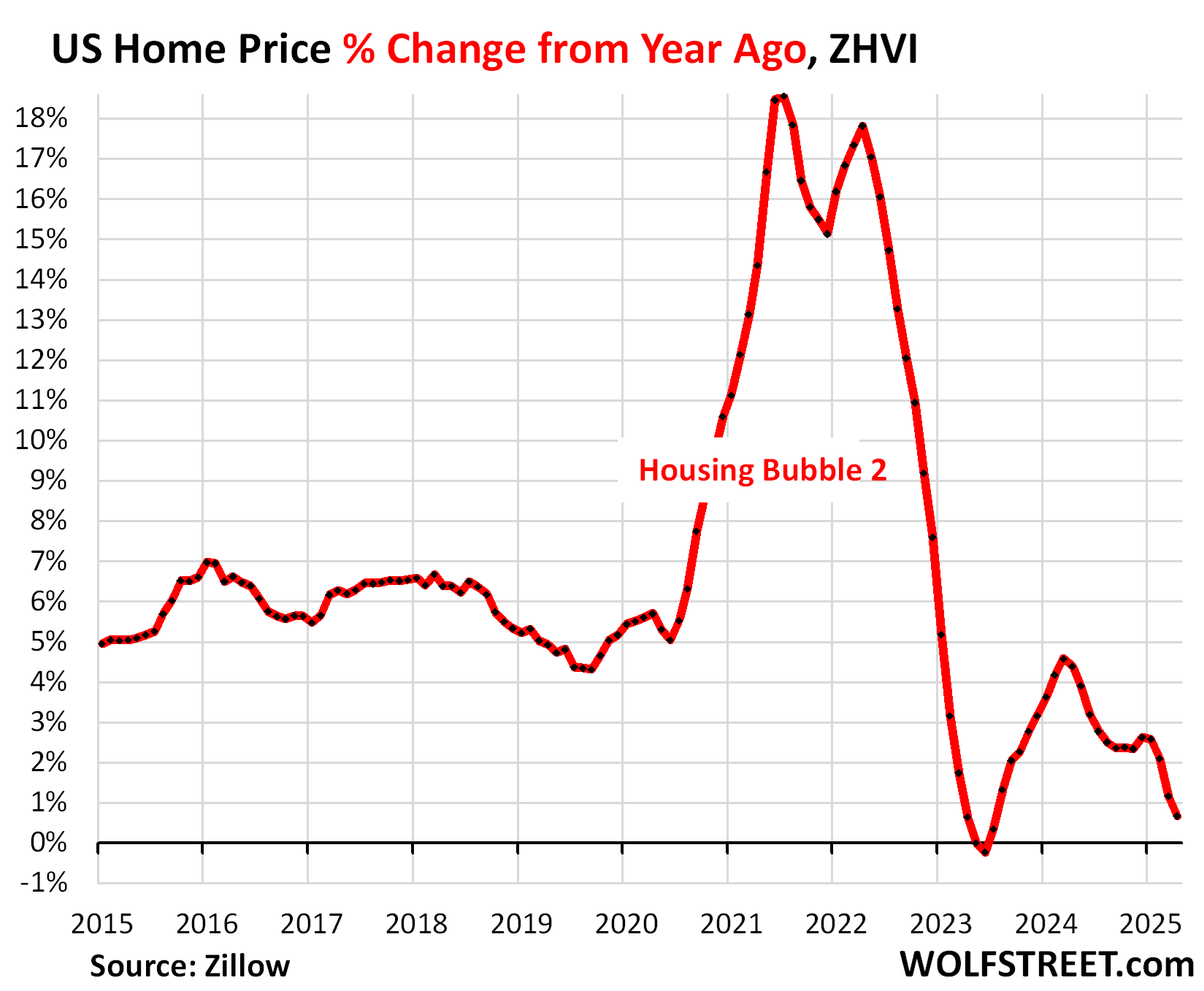
Current Housing Market Overview: A Seller’s Market Under Pressure
The U.S. housing market is showing a curious blend of seller advantage combined with an increasing trend toward price cuts. While sellers have held the upper hand overall, many have been forced to reconsider their listing prices in response to shifting buyer expectations. In recent weeks, despite a market that remains tilted in favor of sellers, almost 42% of property listings have seen price reductions. This phenomenon offers an interesting glimpse into the tricky parts of today’s real estate environment, where the traditional seller’s market is gradually experiencing twists and turns as homebuyers gain more bargaining power.
As market conditions evolve and home inventories expand modestly, the dynamics of pricing are becoming more tangled than they first appeared. Even though the market continues to demonstrate a seller’s advantage, with the latest data showing a Market Action Index of 33.9 (on a 0-100 scale), sellers are now recognizing that setting an initial price too high can become a nerve-racking mistake in a scenario where buyers are increasingly attentive to price disparities. In this editorial, we will take a closer look at the current housing market, focusing on these challenging bits, and explore ways that both home sellers and buyers can strategically manage their way through the ongoing shifts.
Price Adjustments in a Seller-Heavy Market
It might seem counterintuitive that in a market where the seller’s hand is powerful, nearly half of the listings are experiencing price cuts. However, this trend signals how sellers are starting to adapt their approach. In a seller’s market, there is usually less inventory available; however, robust buyer activity and rising interest rates can tilt the scales, prompting home sellers to re-evaluate their pricing tactics.
Understanding the Need for Price Reductions
Many property owners discover that the initial listing price, if set too high, can create a nerve-racking impasse during negotiations. It has become all too common for sellers to face intense pressure, leading them to reduce prices by an average of about 4.1% from the original listing value. Here are some factors driving these adjustments:
- Heightened buyer scrutiny driven by broader economic trends
- Competition from newer listings priced more in line with current market demand
- The increasing importance of data-driven pricing models and market feedback
- The subtle shift from a traditional seller-dominant environment to one where buyers are more empowered
This trend illustrates that while sellers initially hold a competitive edge, maintaining it requires effectively managing the delicate balance between overpricing and staying attractive to buyers. The seemingly contradictory state of being in a seller’s market while also having to cut prices is due to these tricky parts, where the fine points of pricing strategies come into play.
Dealing with the Tricky Parts of Home Pricing Strategies
In today’s market, home pricing is more than just setting a figure—it involves understanding the tangled issues created by economic indicators, inventory levels, and the psychological behaviors of potential buyers. The seller’s advantage remains, but the fine shades of the current market call for tactics that can help property owners avoid the pitfalls of overpricing.
How Data and Market Feedback Drive Price Decisions
Recent market data shows that while the overall median home price stands at around $445,000 nationwide, new property listings are entering the market at a median of approximately $415,000. This gap indicates that sellers are essentially learning from the market’s subtle hints and making course corrections. Here are some of the small distinctions and little twists important to consider:
- Understanding the difference between the listing price and new listing price
- Grasping the scale of buyer interest versus seller optimism
- Recognizing that even a 4.1% reduction can make a significant impact
By diving in and analyzing these hidden complexities, sellers can realize that an overinflated initial price might become counterproductive if substantial price cuts are needed down the line. This adjustment period, though nerve-racking, can streamline the sales process and reduce the number of days a property remains on the market.
Regional Market Nuances: A Closer Look at Price Segments
The differences in market performance across various housing price segments further illustrate the need for strategic pricing. Buyers and sellers alike should consider the unique conditions affecting different segments.
Price Segment Performance Analysis
A recent breakdown by price segment highlights the subtle distinctions in how quickly homes are selling and how buyers are reacting. The table below summarizes some of the key metrics:
| Price Segment | Median Price | Days on Market | Absorption Rate |
|---|---|---|---|
| Luxury Homes | $1.09 million | 84 days | 7.8% |
| Upper-Middle Tier | $549,900 | 70 days | 8.9% |
| Lower-Middle Tier | $369,000 | 63 days | 9.7% |
| Entry-Level Homes | $219,990 | 63 days | 11.2% |
This breakdown illustrates that while luxury homes take longer to sell, their extended selling period can often be linked to the higher expectations and selective buyer pool. Conversely, entry-level homes, which are often the first charge for new buyers, move more briskly because of their attractive pricing. These differences are key to understanding the importance of a measured pricing strategy tailored to the specific market segment.
Making Your Way Through Price Adjustments: Tips for Home Sellers
Sellers looking to make the most of the current market environment should consider a proactive approach when it comes to pricing strategy. With buyers getting increasingly critical of inflated prices, it’s essential to set a realistic and competitive figure right from the start.
Key Strategies for Effective Pricing
Here are some actionable tips for home sellers to figure a profitable path in today’s market:
- Leverage up-to-date market data: Constantly monitor local and national trends, including inventory levels, median home prices, and absorption rates.
- Maintain flexibility: Understand that initial pricing is important, but be prepared to adjust if the market indicates that buyers perceive the price as too steep.
- Consult with experts: Work with real estate professionals who can help you steer through the adjustments and offer insights into the subtle details of pricing.
- Factor in buyer feedback: Don’t ignore market responses. If multiple inquiries note similar critiques of a price, it may be time to re-evaluate.
These strategies can help reduce the overwhelming feeling that sometimes accompanies major price adjustments. By getting into the nitty-gritty and understanding the driver behind each decision, sellers can avoid the pitfall of setting unrealistically high expectations that might later require significant cuts.
Homebuyers’ Perspective: Opportunities Amid Shifts
While price cuts can be worrisome for sellers, they often present a silver lining for homebuyers. In what was once a seller-centric market, buyers are beginning to see more chances to strike a deal as sellers adjust their expectations. The emerging trend offers a potentially smoother process for those looking to purchase a home, especially in competitive price segments.
Why Buyers Should Keep an Eye on the Market
Homebuyers should consider the following tips as they get into the market, particularly in an environment where price cuts seem more common:
- Timing is key: With nearly 42% of listings seeing price reductions, it may be worth waiting for the right window to purchase.
- Research local market conditions: Look at price trajectories in your target neighborhood. Data shows that inventory levels remain slightly tight, which means that while buyers have more leverage than before, competition might still be strong.
- Act confidently: Use price cuts as a signal that sellers are willing to negotiate. This might help guide your offer strategy and push you into a position of strength during negotiations.
- Engage with real estate professionals: Experts can help you figure a path through the tangled issues of market pricing and ensure you’re making an informed decision.
In many ways, the emerging trend of reduced listing prices can make the process of purchasing a home feel less intimidating. Even though the market remains on edge, these price adjustments are a positive sign that homebuyers now have more room to negotiate and secure a deal aligned with current market conditions.
Working Through the Data: A Look at Underlying Trends
The housing market’s subtle signals are embedded within key national data points. For instance, the current total housing inventory stands at about 862,883 homes for sale—a figure that equates to roughly 2.7 months of supply. Additionally, across the country, there have been around 73,088 single-family home sales in the reporting period. These numbers are critical when assessing the overall market climate and planning for future moves.
Key National Data Insights
Below is a bullet list summarizing essential market data and what they mean for both buyers and sellers:
- Market Action Index: Currently at 33.9, this score indicates a seller’s advantage, but the downward shift from prior levels hints at a softening of this edge.
- Price Reductions Association: With 42% of listings lowering their prices, there is clear evidence that even in favorable conditions, technological and market feedback is pushing sellers to adjust.
- Inventory Levels: With a supply equaling about 2.7 months, there is enough competition to allow for negotiation while keeping the overall balance in the market tilted towards the seller’s side.
- Median Prices and New Listings: The difference between the current median price and the median of new listings underscores that buyers are pushing sellers to reconsider initial pricing tactics.
When you take a closer look at these data points, it’s evident that both sides of the housing scale are experiencing changes. For sellers, it means setting competitive prices from the outset, while for buyers, it implies that a more favorable negotiation environment might be on the horizon. Ultimately, both parties benefit from increased transparency and a clearer understanding of the state of the market.
Finding Your Way Through the Overwhelming Real Estate Shifts
In a market that is both robust and unpredictable, knowing how to figure a path through the combined pressures of seller advantage and buyer expectations is paramount. Both buyers and sellers need to pay close attention to new data trends and adjust their strategies accordingly. The following sections highlight methods to help you steer through these tricky parts.
Tips for Sellers to Streamline Their Selling Process
Sellers who wish to reduce the stressful and intimidating aspects of their selling journey should consider these essential strategies:
- Set realistic expectations: Based on feedback and up-to-date market trends, set a starting price that reflects current conditions without being overly ambitious.
- Monitor buyer behavior: Keep an eye on inquiries, feedback from open houses, and online engagement to understand how your property is being perceived. Adjustments can be made quickly if the initial price is deemed too high.
- Engage in proactive marketing: Use detailed market reports and professional marketing channels to present your property effectively. Highlight unique features that justify your asking price.
- Stay flexible: As negotiations progress, be prepared to make gradual changes or offer incentives that appeal to savvy buyers.
By using these techniques, sellers can avoid the overwhelming and confusing bits that come with setting and adjusting home prices. It’s a matter of working through the process methodically and staying receptive to the market’s subtle signals.
Advice for Homebuyers Navigating Price Cuts
For prospective buyers, the current trend of aggressive price cuts may appear as a golden opportunity—but it is crucial to approach these opportunities with a clear understanding of the market dynamics. Here are some tips tailored for homebuyers:
- Stay informed: Regularly review local housing data and trends. Understanding the local supply, turnover rates, and buyer absorption rates can give a clearer picture of what to expect.
- Negotiate smartly: When a property sees a price drop, don’t assume that it is the final figure. Use your research to negotiate further and secure additional concessions.
- Prepare your financing: As the market shifts, lenders might adjust terms or offer new incentives. Make sure you have pre-approval and remain ready to move when the right property appears at the right price.
- Consult local professionals: Local real estate agents understand the fine shades of market conditions better than any broad national analysis. Their insights can be indispensable in finding a home that matches both your financial goals and lifestyle needs.
Homebuyers who take the time to work with the small details and understand the tangled issues behind the numbers stand a much better chance of benefiting from the current pricing corrections. It is an era where every percentage point saved on the purchase price can significantly impact long-term financial goals.
Using Data Analytics to Inform Home Improvement Investments
Beyond the immediate buying and selling of properties, the shifting trends in the market also open up discussions on how homeowners can invest in home improvements and upgrades. With changes in price dynamics, investing in home improvement projects can offer dual benefits: enhancing property value and tailoring spaces to better suit current buyer tastes.
Prioritizing Upgrades in a Market on the Move
When considering home improvements, it’s critical to weigh the benefits not just in terms of personal comfort but also regarding market trends. With the buying process now on edge, a well-designed home with modern features can set a property apart. Consider these key ideas:
- Essential upgrades: Prioritize renovations that increase energy efficiency, modernize appliances, or enhance curb appeal. These improvements are often seen as super important by prospective buyers.
- Staged improvements: Instead of large-scale overhauls, consider smaller projects that can steadily improve the home’s market value. Cosmetic fixes like fresh paint and landscaping can have a surprisingly significant impact.
- Budget-conscious renovations: Use current market data to decide how much you can reasonably spend without overhauling the property on a dime. The subtle details in homebuyer feedback might point to which areas would yield the highest return on investment.
The integration of home improvement strategies into the broader market conversation can also be viewed as a method to figure a path through these price changes. Even if the market remains predominantly seller-friendly, strategic improvements ensure that your property stands out from the competition.
Comparing Local and National Trends: A Deeper Dive
The national housing data provides a backdrop, but local market conditions often offer a more nuanced view of what buyers and sellers can expect. Many regions experience their own fine shades of pressure where trends such as price cuts may be more or less pronounced. Home improvement enthusiasts and potential buyers should consider both the broad market and the specific local trends to make informed decisions.
Regional Market Variations and Their Impact
Different regions respond to market pressures in unique ways. Some key points to consider include:
- Local economic conditions: Employment rates, regional growth, and community developments can sharply influence home values and pricing strategies.
- Historical trends: Areas with strong historical performance may see less dramatic price cuts, while emerging markets might have greater volatility.
- Inventory levels: Some regions maintain lower inventory regardless of national trends, offering sellers more leverage. In contrast, areas with ample supply might see sellers having to lower prices more frequently.
For home improvement decision-makers, understanding these differences is key. For example, in regions where price cuts are common, investing in modest upgrades might ensure quicker sales and less time on the market. Conversely, in areas of stable growth, larger renovations might be justified to capitalize on buyer expectations for modern, move-in ready homes.
Lessons Learned from a Dynamic Housing Market
Looking back at recent market trends, it is clear that there will always be a series of twists and turns in real estate. Sellers are learning that the initial price must be set carefully, and buyers are finding that patience and informed negotiation can yield rewarding results. As the market oscillates between a seller’s market and price corrections, both parties benefit from a transparent, data-driven approach.
Key Takeaways for Home Sellers and Buyers
In summary, the evolving housing market offers several key insights:
- Sellers must set realistic, data-driven initial prices: Avoiding the traps of overpricing can save time and reduce later price cuts.
- Homebuyers should remain patient and informed: Price reductions create a favorable environment for negotiation, but timing and market knowledge are critical.
- Both parties benefit from understanding regional trends: National data provides context, while local market variations offer actionable insights.
- Home improvements can strategically boost property value: Even in fluctuating markets, modern upgrades meet buyer expectations and add to overall appeal.
These lessons, though sometimes intertwined with intimidating challenges and complicated pieces, ultimately guide all market participants to make better, more informed decisions. Whether you are selling, buying, or investing in home improvement projects, the ability to get into the nitty-gritty of market data is super important for achieving success.
Looking Ahead: What the Future Holds for the Housing Market
As we look to the future, the housing market is expected to continue reflecting the tensions between seller advantage and aggressive price cuts. With the national inventory slightly growing and buyers becoming more frugal, market observers predict that the balancing act between supply and demand will become even more delicate.
Potential Market Shifts and Their Implications
Several factors could shape the future of home pricing and market dynamics:
- Economic fluctuations: Interest rate adjustments, changes in employment rates, and broader economic shifts might further complicate pricing strategies and buyer behavior.
- Advancements in data analytics: As technology continues to improve, real estate professionals will have even more precise tools to gauge local trends and determine realistic listing prices.
- Consumer behavior: With buyers relying more on online data and virtual tours, the importance of initial online impressions will increase, prompting sellers to get their digital presence right the first time.
- Government policy and local regulations: Changes in zoning, property tax rates, or housing incentives could modify the competitive landscape dramatically.
For both sellers and buyers, these future developments underscore the importance of being proactive and adaptable. The ability to poke around the fine points of market data, along with the real-time understanding of local conditions, remains a key ingredient in managing your way through upcoming shifts.
Conclusion: Steering Through a Shifting Landscape
The current state of the housing market—a seller’s market where nearly 42% of listings are facing price cuts—highlights the dynamic interplay between buyer expectations and seller ambitions. While this scenario might seem loaded with tension and confusing bits at first glance, it also opens the door for more balanced negotiations, smarter pricing strategies, and innovative home improvement investments.
Both home sellers and buyers must take a proactive approach to get around the tricky parts of market fluctuations. Sellers need to set realistic and competitive prices right from the start and be prepared to adjust based on buyer feedback. Meanwhile, buyers find that the current phase might offer more leverage to negotiate better terms, provided they remain patient and well-informed about local trends.
By blending traditional real estate wisdom with modern data analytics, all parties can find their way through this evolving environment. Whether it’s using detailed tables of market performance, engaging in targeted home improvements, or simply staying updated with the latest trends, the key is to remain flexible, proactive, and informed. In doing so, every stakeholder can effectively manage the twists and turns of a market that, despite its seller-centric roots, is undoubtedly in transition.
As we continue to watch these changes unfold, this moment of market transformation demands that we take a closer look at not only the numbers but also the real-world impact on how homes are bought, sold, and improved. The journey ahead might be packed with nerve-racking decisions and subtle shifts, but with comprehensive market insights and a willingness to adapt, both home sellers and buyers can come out ahead in this evolving landscape.
Originally Post From https://www.housingwire.com/articles/housing-market-price-cuts-despite-sellers-advantage/
Read more about this topic at
Housing Market Predictions For 2025: When Will Home …
California’s housing market is still stuck in a rut. Here’s why

