
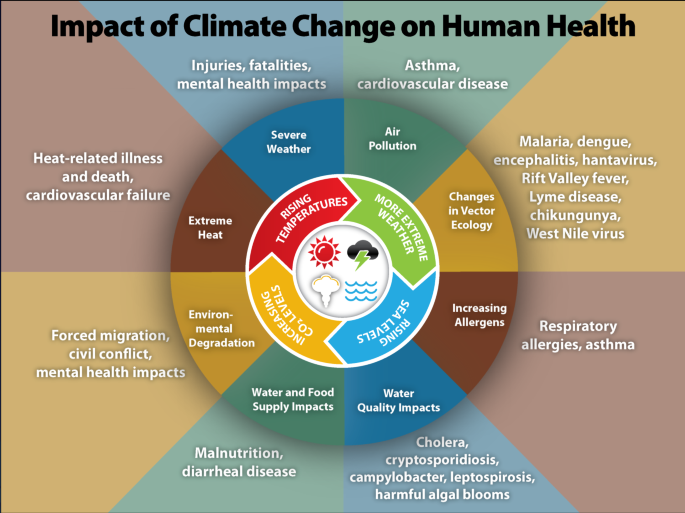
A Call for Climate-Resilient Home Environments: An Opinion Editorial
The changing climate is reshaping the environment around us in many ways, from extreme weather events to gradual shifts in temperature. While this global challenge often brings to mind images of public infrastructure and community planning, we must also consider its impact on our homes and the well-being of our families. In this editorial, we explore the opportunities to bolster home improvement through evidence-based strategies that not only protect our homes but also safeguard the health of vulnerable community members, particularly women, children, and adolescents.
Drawing connections between climate impact and residential safety may seem like grappling with tangled issues. Yet, by taking a closer look at innovative adaptive techniques, homeowners and communities can steer through these challenges and create living spaces that are both secure and sustainable.
Integrating Climate Resilience Into Home Improvement
Homeowners have long focused on energy efficiency, security, and aesthetic appeal. Today, the need to embed climate-resilient practices into home improvement projects is more essential than ever. The topic becomes particularly significant when considering how extreme heat, heavy rainfall, and unpredictable weather not only damage structures but also disrupt the safety and health of occupants.
From the installation of advanced insulation to the use of climate-smart materials for roofing and windows, the key is to manage your way through the subtle details of home renovation with climate resilience as a cornerstone. These changes are not simply about keeping a roof over your head; they contribute to lowering indoor temperatures during heat waves, reducing the risk of condensation-related issues during cold snaps, and ultimately creating environments that support health and well-being.
Evidence-Based Home Adaptation Strategies for Extreme Weather
Recent research has demonstrated that homes equipped with proper cooling, ventilation, and energy-efficient systems can mitigate many of the risks posed by extreme weather. For many, the current trends in climate resilience look like a collection of intimidating and slightly overwhelming updates. However, if we take a closer look at evidence-based strategies, the approach becomes much more manageable.
Consider the following measures, which help reduce both the risk of property damage and the direct health impacts from weather extremes:
- Cool Roofing Solutions: Painting roofs with reflective, white coatings or installing cool roofing materials lowers the solar radiation absorbed by buildings. This strategy not only reduces indoor temperatures but also lessens the energy needed for cooling, creating a dual benefit for both comfort and cost.
- Enhanced Insulation: Upgrading insulation helps maintain consistent indoor temperatures across seasons. This small twist in design can offer the essential benefits of both energy efficiency and increased protection against weather fluctuations.
- Improved Ventilation Systems: Modern ventilation and air purification systems help control indoor air quality, preventing overheating and reducing the concentration of potentially harmful pollutants that might arise due to changes in ambient temperature.
- Flood-Resistant Building Materials: In areas prone to heavy rainfall or flooding, consider materials that resist water damage. These adaptations play a crucial role in managing the nerve-racking risks associated with unpredictable weather events.
Implementing these strategies is not just about weather-proofing your home; it also creates healthier living conditions for families, especially for those who might be more vulnerable to the effects of climate change.
Climate-Resilient Home Security and Maintenance
Home maintenance and security have always gone hand in hand, but the increasing severity of weather events adds another layer of responsibility for homeowners. The tricky parts of maintaining a property now extend to preventing climate-related damages that can compromise security and overall living conditions.
For instance, extreme weather often leads to power outages, which in turn can affect home security systems, lighting, and even heating. Upgrading your home’s infrastructure to support renewable energy sources—like solar panels combined with battery storage—can help ensure your security systems remain active during adverse events. Not only does this make your home safer, but it also places you on the path to a more sustainable and economical future.
Other climate-resilient home security measures include:
- Smart Home Systems: These systems can integrate with weather alerts to automatically secure windows and doors when severe storms are on the horizon.
- Reinforced Entry Points: Installing impact-resistant doors and windows can prevent break-ins and reduce damage from high winds or flying debris.
- Backup Power Solutions: Investing in generators or battery backups ensures that your security cameras and alarm systems continue to operate during outages.
By taking these steps, homeowners can make significant progress in managing your way through the small yet essential details of both security and maintenance in the era of climate uncertainty.
Home Remodeling for a Changing Climate: Innovative and Practical Ideas
Remodeling projects have taken a modern turn as homeowners face climate-imposed challenges. With climate change affecting everything from weather patterns to local ecosystems, adapting your home through remodeling can be the most effective way to ensure resilience and promote long-term health benefits.
One effective remodeling strategy is to integrate elements that offer both aesthetic appeal and environmental performance. This dual-purpose approach might include:
- Energy-Efficient Windows: Upgrading your windows to double- or triple-glazed models minimizes heat loss in winter and heat gain in summer, contributing to reduced energy consumption.
- Sustainable Landscaping: Reimagining outdoor spaces as functional extensions of your home can include rain gardens, permeable pavements, and native plants that require less water and maintenance.
- Smart Home Enhancements: Installing automated lighting and climate control systems ensures that your home remains comfortable and energy-efficient, regardless of external weather conditions.
These remodeling ideas not only enhance the physical structure but also contribute significantly to the safety and health of occupants, especially for families with young children or vulnerable individuals. In today’s environment, every improvement is a step toward reducing the impacts of climate extremes and making your home a haven amid environmental uncertainty.
Adapting Indoor Air Quality for Healthier Living Spaces
Indoor air quality (IAQ) is an often-overlooked aspect of home maintenance that has become increasingly significant in the wake of climate change. Poor IAQ can have direct health impacts, particularly on pregnant women, children, and individuals with respiratory conditions. As our homes become smarter and more energy-efficient, they can also become environments that promote healthier living.
High-performance ventilation and air filtration systems are a must-have upgrade when you’re working through the fine points of indoor climate control. Here are some key benefits and practices:
- Reduced Pollutant Exposure: Advanced filtration systems capture fine particles and allergens, reducing the risk of respiratory issues.
- Temperature Regulation: Well-designed ventilation ensures that cool air circulates during hot weather, offering a reprieve from extreme temperatures.
- Moisture Control: Preventing dampness and mold growth contributes to a healthier living environment while safeguarding structural components of your home.
While navigating these updates may seem daunting due to the tangled issues and small distinctions involved, the payoff in terms of improved indoor air and overall health is substantial. Homeowners who prioritize IAQ will not only see benefits in comfort and energy savings but may also notice a reduction in the incidence of climate-related illnesses.
Leveraging Technology for Climate Adaptation in Home Design
Modern technology offers unprecedented opportunities for adapting our homes to climate change. From smart thermostats to app-controlled irrigation systems, technology can simplify the process of toning down the effects of extreme weather while simultaneously lowering utility bills. However, taking a closer look at these options reveals subtle parts that need careful consideration.
Some practical tech-driven solutions include:
- Health-Heat Early-Warning Systems: Inspired by community alert systems in places like Senegal, these tools can now be adapted for home use. Homeowners can receive notifications about upcoming heat waves, advising on preventive measures such as hydration and the use of cooling shelters within the community.
- Automated Climate Control: Smart home devices that adjust heating, cooling, and air circulation dynamically help manage indoor climates efficiently. These technologies are designed to get into the nitty-gritty of daily energy use while also relieving the nerve-racking pressures of manual control during unpredictable weather events.
- Digital Monitoring Tools: Battery-operated sensors and network-connected devices monitor environmental conditions inside the home, alerting property owners to issues like moisture buildup, temperature fluctuations, or air quality changes. These digital tools are a perfect example of how technology can be harnessed to figure a path toward a more resilient living space.
By integrating these technologies, homeowners have an opportunity to create a living environment that is not only more comfortable and sustainable but also proactively responsive to the ongoing shifts in our climate.
Innovative Financing Models for Sustainable Home Upgrades
Implementing climate-resilient upgrades often involves tackling some intimidating financial barriers. The good news is that innovative financing models are emerging to support homeowners in making these investments. These models include micro-levies, carbon taxes, and innovative community financing that prioritize clean energy and sustainable building practices.
Consider the following approaches that can make a difference:
- Green Loans: Financial institutions increasingly offer favorable loan conditions for energy-efficient upgrades and renewable energy installations. These loans are designed to make it easier for families to invest in home improvements that provide both immediate comfort and long-term savings.
- Energy Rebate Programs: Local and state governments frequently run rebate programs for installing solar panels, energy-efficient windows, or insulation upgrades. These initiatives reduce out-of-pocket costs and bring the added benefit of lowering annual utility bills.
- Community Crowdfunding: For neighborhoods facing widespread climate challenges, community-based funding schemes can help pool resources for collective projects, such as installing community cooling centers or shared renewable energy systems.
The following table outlines some common financing options available for climate-resilient home improvements and highlights their benefits:
| Financing Option | Key Benefit | Example Application |
|---|---|---|
| Green Loans | Lower interest rates focused on sustainable upgrades | Solar panel installation, energy-efficient HVAC systems |
| Rebate Programs | Upfront cost reduction through government incentives | Window upgrades, insulation improvements |
| Community Crowdfunding | Collective investment for shared community benefits | Neighborhood renewable energy projects, community cooling facilities |
These creative financing solutions can help homeowners overcome the off-putting challenges of upfront costs, ensuring that climate-resilient upgrades are accessible to a broader spectrum of families. By investing in these upgrades, communities not only improve the safety and health of individual homes but also contribute to a larger, nation-wide effort to reduce greenhouse gas emissions and enhance public health.
Community-Based Adaptation and Its Role in Home Resilience
While making home improvements is essential, real change happens when communities come together with a shared vision. Community-based adaptation efforts have proven to be key in pooling resources and spreading best practices for weather-resilient living spaces.
Successful community initiatives often include coordinated efforts between local governments, non-profit organizations, and residents. These collaborations create an environment where:
- Public Spaces Are Climate-Resilient: Community centers and libraries can be retrofitted with cooling systems or emergency power backups to serve as safe havens during extreme events.
- Local Education Initiatives Thrive: Workshops and informational sessions help demystify the tricky parts of installing new technologies and making energy-efficient upgrades for households.
- Emergency Preparedness Programs Strengthen: Organized alert systems and shared safety protocols help ensure that even the more vulnerable members of the community—women, children, and the elderly—are protected when severe events occur.
These examples highlight the importance of community-based frameworks. When community leaders and public officials integrate these strategies into local planning, the entire neighborhood benefits—from improved public spaces to more resilient homes.
Adapting Home Environments to Support Health and Well-Being
When the weather turns extreme, indoor comfort and security can have a profound impact on our overall health. That is why rethinking home environments to support both physical and mental well-being is super important. The impact of fluctuating climates is felt in many ways, but designing homes with adaptive features can ease the heavier toll of temperature extremes.
Key home adaptations in this area include:
- Improved Lighting and Ventilation: Optimizing indoor lighting and airflow can reduce risks associated with heat stress and boost overall moods during prolonged periods of limited natural light.
- Safe, Accessible Spaces: Renovations that focus on universal design help ensure that vulnerable populations—especially the elderly, pregnant women, and children—feel safe and supported during extreme weather events.
- Flexible Indoor-Outdoor Living Spaces: Creating transitional areas, such as sunrooms or screened patios, can encourage the use of outdoor spaces during cooler parts of the day while protecting residents during harsh weather.
These adjustments might seem like just small design tweaks. However, when taken together, they underscore an integrated approach to home improvement that enhances quality of life while also addressing environmental challenges. They represent a proactive response to the overwhelming and sometimes off-putting consequences of climate change.
Understanding the Economic Co-Benefits of Climate-Resilient Homes
The storm of rising energy costs and potentially damaged infrastructure calls for not only smart home upgrades but also an understanding of the broader economic benefits. Investing in sustainable, climate-resilient upgrades has significant co-benefits:
- Long-Term Savings: Energy-efficient appliances, insulation improvements, and renewable energy installations often result in lower utility bills over time.
- Increased Property Values: Homes that have been retrofitted with resilient and sustainable features typically command higher resale values, as buyers recognize the reduced risk of weather-related damage.
- Job Creation: As local economies pivot toward green solutions, new opportunities arise in sectors related to home improvement, renewable energy installation, and energy auditing.
Moreover, the careful integration of healthcare considerations—especially for households with children and women—can reduce the long-term societal costs associated with climate-related health issues. When communities invest in climate-smart adaptations, they pave the way for a healthier, more economically stable future.
Pushing for Policy Changes to Support Climate-Resilient Homes
No matter how dedicated homeowners or communities are to making their environments safer and more resilient, systemic change is needed to support these efforts. Public policy plays a super important role in addressing the tangled issues of climate change and housing security.
Key policy areas where action is needed include:
- Building Code Revisions: Updating local building codes to mandate or incentivize the use of resilient materials and technologies can help ensure newly constructed homes are designed for today’s climate challenges.
- Incentive Programs: Grants, tax credits, and rebates are all essential in driving the adoption of energy-efficient and climate-smart home improvements.
- Community Development Funds: Allocating funds for neighborhood-wide projects—such as community cooling centers or shared renewable energy installations—ensures broader participation in climate resilience efforts.
As citizens and homeowners, engaging with elected officials and community leaders to push for these changes is a practical way to take charge. By pressing for policies that are both forward-looking and inclusive, we can help shape an environment where climate resilience is not merely an ideal but a built-in advantage.
Building the Foundations for a Sustainable Future
The multifaceted challenges posed by climate change, from extreme weather to public health concerns, require a comprehensive response that includes individual efforts, community-driven projects, and systemic policy changes. Home improvements that address these challenges are not isolated upgrades—they form part of a much larger movement toward sustainability.
The strategies explored in this article—from integrating evidence-based technologies to embracing new financing models and pushing for supportive government policies—demonstrate that the solutions are known and within reach. The key is to work together and build on the small distinctions that make a major difference over time.
Many homeowners may find the myriad of new technologies and upgrades a bit intimidating and even a little overwhelming at first. However, by breaking down each project into manageable steps, focusing on one improvement at a time, and taking advantage of community support and expert advice, the once nerve-racking process can transform into an empowering journey toward a healthier, more resilient future.
Diving into the Practicalities: Actionable Steps for Homeowners
For those ready to get into the nitty-gritty of creating climate-resilient homes, here are some practical, actionable steps to consider:
- Conduct a Home Energy Audit: Start by assessing your current energy efficiency and identifying areas of improvement. Professional audits can highlight where insulation, window upgrades, or more efficient HVAC systems could make a significant impact.
- Plan a Budget-Friendly Retrofit: Identify projects that provide the highest return on investment. For example, simple measures like installing energy-efficient lighting or modest insulation improvements can offer immediate benefits without overwhelming your budget.
- Engage With Local Experts: Consult local contractors and renewable energy providers who can give tailored advice based on your region’s weather patterns and building codes.
- Explore Financing Options: Investigate green loans, state rebates, and community-funded projects. Using available resources can help alleviate the upfront costs and provide long-term financial relief.
- Monitor Indoor Air Quality: Install air quality monitors and smart sensors to keep track of the indoor climate. These devices help you figure a path toward ongoing improvements and early detection of potential issues.
Using these steps, homeowners can transform intimidating challenges into achievable goals. Each improvement no matter how small contributes to a cascade of benefits: enhanced safety, improved health outcomes, and ultimately, a more resilient home environment.
Collaborative Efforts for a Brighter Tomorrow
Climate change is a full-of-problems issue that touches every part of life—from the books on our shelves to the roofs over our heads. Addressing these issues requires a collaborative approach, where public, private, and community sectors work together toward common goals.
Successful initiatives include:
- Public-Private Partnerships: Government agencies, local businesses, and homeowners can combine resources to fund major projects like renewable energy installations or community cooling centers.
- Community Outreach Programs: These programs educate residents on energy efficiency, repair techniques, and the smart use of technology. Knowledge-sharing sessions and workshops demystify the tricky parts of sustainable home upgrades.
- Youth and Women Engagement: Ensuring that all community voices are heard in local planning and policy discussions strengthens the overall response to climate challenges. Inclusive approaches result in more tailored and effective solutions.
When stakeholders join forces, the compounded impact is remarkable. It is in these collaborative efforts that we find the true strength of a community—one that thrives on shared responsibility and collective action.
Looking Ahead: The Future of Climate-Smart Home Improvement
The path toward creating climate-resilient homes is one filled with twists and turns. Every remodeled room or upgraded system represents a small victory against the larger, nagging challenges of global climate change. The journey might sometimes feel overloaded with issues, yet each step is an investment in the future well-being of our families and communities.
Looking ahead, we can expect new advancements in materials science, energy management, and smart home technologies that will further simplify the once daunting process of adapting our living spaces. As government policies catch up with technological innovations, the blueprint for tomorrow’s homes will undoubtedly emphasize sustainability, health, and community well-being.
In conclusion, the integration of climate-resilient features into home improvement is not merely an option—it is a necessary evolution. Through evidence-based strategies, innovative financing, and community collaboration, the twists and tangled issues we face today can be transformed into opportunities for a safer, healthier tomorrow. Every homeowner, policymaker, and community leader has a role to play in this transformation.
Final Thoughts: Embracing Change Through Strategic Home Upgrades
As we digest the subtle parts and little details of climate resilience, it is important to remember that change does not happen overnight. Each renovation, upgrade, or policy shift is a testament to the evolving relationship between our built environment and the natural world around us. With proactive steps and practical investments, our homes can become sanctuaries that withstand the challenges of a shifting climate while promoting the well-being of all occupants.
The transformation may be full of problems and seem intimidating at first, but by breaking down each project into manageable, actionable steps, homeowners can take a closer look at the adaptations that truly matter. The benefits stretch far beyond aesthetics and energy efficiency—they reach into the realms of improved public health, economic stability, and a brighter future for next generations.
Now is the time to act. Let us embrace the challenge of building climate-resilient, sustainable homes and stand together as communities. By investing in our living spaces, we not only safeguard our property but also protect the health and future of women, children, adolescents, and every community member who calls these homes their safe haven.
Our future depends on how we adapt today. As the evidence suggests, transformative changes in home improvement can yield benefits that ripple throughout society. Take that first step—whether it is through a small upgrade or a major remodeling project—and begin charting a course toward a safe, sustainable, and resilient home environment for all.
Originally Post From https://www.nature.com/articles/d41591-025-00066-0
Read more about this topic at
Climate, Health and Equity
Critical Steps To Address Climate, Health, And Equity

