
A Critical Look at the Aurora Plaza Sale and the Shifting Face of Commercial Real Estate
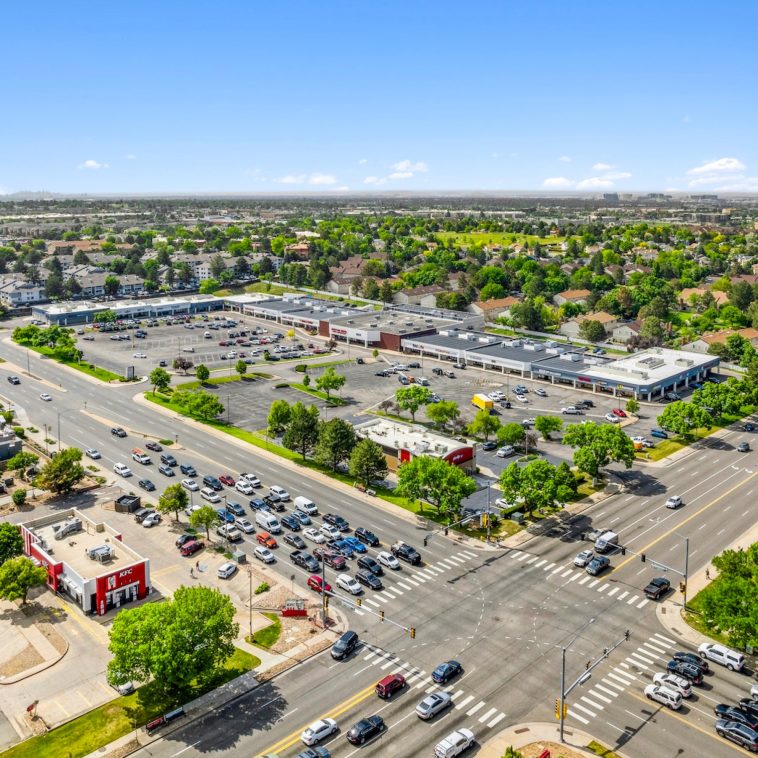
The recent sale of Aurora Plaza has stirred conversation among investors, retail owners, and community planners alike. With its purchase for $16 million by Sidford Capital LLC, this 115,000‑square‑foot shopping center on the edge of Denver serves as a prime example of how well‑positioned neighborhood retail centers are evolving in today’s dynamic real estate market. As a commercial property expert, I find it essential to take a closer look at the various factors influencing such transactions, the exchanges taking place in the retail leasing space, and how these changes are affecting both local investment landscapes and community infrastructure.
The sale of Aurora Plaza highlights a wider national trend: the increasing attraction that traditionally localized shopping centers have for investors seeking value‑add opportunities. These neighborhood retail hubs, which have traditionally served as community anchors, are now being reimagined through new ownership models and expanded investment portfolios. In this opinion editorial, I will dive into the reasons behind these shifts, explore the tricky parts of investing in retail real estate, and offer some guidance on how to figure a path through these economic twists and turns.
Aurora Plaza Commercial Investment Review: A Closer Look at the Big Buy
At its core, the transaction involving Aurora Plaza is a testament to investor confidence in well‑located, neighborhood retail centers. Covering more than 10.60 acres and featuring a mix of 27 tenants ranging from medical offices to restaurants, this property is more than just brick and mortar. It represents a strategic acquisition that capitalizes on high everyday traffic – a location that welcomes over 740,000 visitors annually, with exposure to nearly 88,000 vehicles every day.
Sidford Capital LLC, the buyer, is a Denver‑based entity known for its diverse portfolio in commercial real estate. Their portfolio spans retail, office, warehouse, manufacturing, and storage sectors, proving a solid track record in managing and leasing a wide array of properties. Their purchase of Aurora Plaza, a property peppered with fine points and little details that add up to significant value, underlines an important trend: local investors are increasingly attracted to projects that offer not only robust occupancy numbers but also potential for future growth.
Managers from JLL Capital Markets, particularly Jason Schmidt and Austin Snedden, have emphasized the impressive leasing activity at Aurora Plaza – with 29,000 square feet sealed in new deals within the past 24 months. This performance speaks volumes about the center’s enduring appeal despite what might appear on the surface as a complicated piece of the retail real estate market. The transaction, arranged amid many of the nerve‑racking uncertainties of today’s economy, underscores that a well‑tuned investment can navigate through even the most overwhelming market challenges.
Denver Retail Hub Market Analysis: Spotting the Hidden Value in Suburban Centers
Suburban shopping centers like Aurora Plaza are offering investors opportunities that stretch well beyond the visible façade of a typical retail property. The sale reflects a growing recognition that success in real estate today is less about flashy developments and more about finding your way through intricate, yet critical, market details that have previously gone unnoticed. Here are some factors that contribute to the appeal of such centers:
- Location: Being in a dense retail corridor near major national chains like Walmart, Sam’s Club, Target, and others makes the property highly visible and continuously in demand.
- Diverse Tenant Mix: A blend of service providers, healthcare offices, and retail shops ensures that income streams remain stable even when specific retail sectors experience dips.
- Traffic Volume: The high number of daily visitors combined with significant vehicle exposure adds to the value, assuring businesses and ultimately the landlord of constant footfall.
- Renovation and Maintenance: The property, originally built in 1982 and renovated in 2001, carries a legacy that appeals to both established tenants and new buyers willing to invest in minor upgrades for extra value.
When we poke around these points, it becomes evident that investors are not merely buying a building; they’re investing in a vibrant commercial ecosystem which, despite its twists and turns, remains a key part of Denver’s growing economic fabric. The sale of Aurora Plaza isn’t about a momentary spike in market activity, but rather a strategic move that envisions long‑term returns from continuous leasing and community integration.
Understanding the Community Impact: Reflections on Local Investment and Neighborhood Revitalization
One significant aspect to consider is the community ripple effect that often accompanies major commercial real estate transactions such as this one. Aurora Plaza, located in Aurora, Colorado, acts as a local hub, providing essential services ranging from healthcare to dining. The investment by Sidford Capital suggests a renewed focus on neighborhood retail centers, offering a much-needed infusion of energy and financial stability into communities that might be experiencing economic flux.
Community members often worry about the potential loss of familiar local stores; however, it’s important to note that an infusion of new strategic investments can revitalize these centers by introducing improved amenities and refreshing the tenant mix. The evolution of Aurora Plaza – from its roots in the early 1980s to its modern-day reincarnation – illustrates that these retail communities are not relics of the past, but living, breathing hubs that evolve in tandem with changing consumer preferences.
Critically, while some might view the purchase as another example of overwhelming corporate consolidation in local markets, it is key to recognize the role played by local investment companies like Sidford Capital. Their emphasis on further improving the tenant experience, increasing operational efficiency, and potentially integrating mixed‑use elements, helps ensure that community needs are addressed while also driving investment returns.
Local Economic Trends: How Neighborhood Retail Centers Can Thrive in Today’s Market
The sale of Aurora Plaza is just one lens through which to view the shifting landscape of local economic trends. Across similar suburban areas, the retail environment is increasingly influenced by a mix of traditional in‑person shopping and emergent digital shopping experiences. For many property owners, these shifts are both intimidating and exciting. Finding your way through these challenges requires an approach that embraces both the tangible benefits of physical retail and the flexibility of digital strategies.
Several intertwined factors are at play here, including:
- Consumer Behavior: Shifts in how consumers spend their leisure time and shopping dollars are pushing retailers towards experiences rather than just the act of purchasing.
- Economic Cycles: During periods of economic uncertainty, retail centers that combine daily necessity services with experiential retailers are more likely to witness stable occupancy rates.
- Investment Strategies: A meaningful change in investment patterns is evident as local investors, like those behind Sidford Capital, decide to focus on properties that promise stable cash flows even in a fluctuating market.
In many ways, properties such as Aurora Plaza represent an investment in the community’s future. They offer a unique chance to combine commerce, social interaction, and a sense of neighborhood pride – all of which are essential factors in shaping a resilient local economy. Rather than viewing the purchase as a move driven solely by profit, it can be understood as a balanced decision that benefits a broader segment of local stakeholders.
Examining the Trends in Tenant Mix: The Benefits of Diversity in Retail Leasing
One of the most compelling selling points of Aurora Plaza is its diverse tenant mix. Housing over 27 different tenants – from medical offices and dental clinics to restaurants and retail shops – the property illustrates the modern evolution where retail centers are full of problems and opportunities alike. While managing such a multifaceted portfolio might seem like a nerve‑racking challenge, the rewards are evident in the stability and resilience of the overall income stream.
Let’s break down the benefits of such a diverse tenant structure:
| Tenant Category | Role in the Community | Investment Benefits |
|---|---|---|
| Healthcare and Medical Offices | Provide essential services | Stable, long‑term leases |
| Food and Beverage | Cater to everyday needs of residents | High foot traffic and repeat business |
| Retail and Specialty Shops | Offer specialized goods | Seasonal promotions driving revenue surges |
| Service Providers | Support the economic activity of the center | Diversified risk and steady cash flows |
This variety not only helps to spread the risks associated with fluctuations in a single retail sector but also enhances the property’s overall appeal by attracting a wide range of visitors. When one segment experiences a downturn, the others typically buoy the center’s performance, making the overall model more robust and market‑resilient.
Such an eclectic mix of businesses is a fine example of how commercial real estate investors are not only looking for properties that provide immediate returns but are also placing super important value on long‑term stability. The myriad small distinctions in tenant profiles and contract terms, although at times a confusing bit to decipher, are exactly what create a resilient commercial property geared for future challenges.
Risks and Rewards: Assessing Value‑Add Opportunities in a Competitive Market
Investments in existing properties like Aurora Plaza come with their own set of twists and turns. On one hand, you have a well‑located, leased property with strong current performance; on the other, you have the challenge of managing ongoing maintenance, tenant turnover, and the ever‑present threat of market shifts. The key to successfully managing your way through these complicated pieces is to focus on value‑add opportunities – those enhancements that not only preserve but substantially boost the property’s earning potential.
For Aurora Plaza, these value‑add opportunities might include:
- Upgrading property amenities to increase tenant appeal – think modern signage, improved landscaping, and enhanced parking facilities.
- Incorporating mixed‑use elements such as small office spaces or community areas to attract diverse tenant types and consumers.
- Leveraging digital marketing strategies and data analytics to better understand customer behavior and adjust tenant mixes accordingly.
- Investing in energy‑efficient upgrades, which can lower costs over time and boost the property’s environmental credentials.
Each of these points represents both a challenge and a reward. While it might seem a bit overwhelming to take on improvements in an already busy commercial property, the incremental benefits can yield significant returns in occupancy, tenant satisfaction, and overall market valuation. For savvy investors and landlords alike, these value‑add opportunities are a clear indication that with a proactive strategy, you can steer through even the most tangled issues of modern property management.
Denver Retail Center Dynamics: Strategies for Finding Your Path in a Competitive Environment
The retail market in Denver and its surrounding areas is replete with opportunities for investors who are capable of making informed decisions about property enhancements and leasing strategies. For many, the success of an investment ultimately comes down to how effectively they can figure a path through a market loaded with issues and unexpected twists.
Some key strategies for making the most of such investments include:
- Market Research and Data Analysis: Regularly reviewing demographic shifts, consumer spending habits, and seasonal trends helps investors understand the subtle details that impact retail performance.
- Tenant Engagement: Actively keeping in touch with tenants and soliciting their feedback on improvements can lead to changes that benefit both the landlord and the tenant community.
- Flexible Lease Agreements: Implementing provisions that allow for periodic adjustments based on market conditions can help both parties mitigate risks associated with economic fluctuations.
- Community Integration: Partnering with local organizations and investing in community events can boost foot traffic and create a long‑term bond between the retail center and the local populace.
When you sort out these strategies, it becomes clear that a proactive, nuanced approach to property management is essential. Investors who are willing to adapt to shifts in the market and incorporate minor yet critical adjustments into their operation models will likely find that the future holds many rewards. The Aurora Plaza case, with its thriving leasing activity and promising geographical advantages, exemplifies this very approach.
Community Benefits and the Importance of Thoughtful Redevelopment
Beyond the numbers and financial calculations, the transformation of properties like Aurora Plaza has a significant impact on the local community. Thoughtful redevelopment can breathe new life into long‑standing centers that many residents consider an essential part of their daily routines. When typical businesses such as Kid to Kid, Hero Dental, and routine dining establishments remain accessible and vibrant, they not only ensure steady business but also strengthen the social fabric of the neighborhood.
The process of renovating and expanding neighborhood retail centers demands attention to both the practical and sentimental value these properties hold for local residents. It isn’t just a transaction on paper; it’s about creating destinations where families gather, community events are hosted, and everyday people find convenience and comfort in reliable local services. While sometimes navigating these changes might feel intimidating, the rewards for both investors and the community are equally rewarding.
Moreover, by incorporating modern amenities and ensuring that the property remains visually appealing, the new management can safeguard the identity of the area while simultaneously promoting its growth. In this way, commercial investments work hand-in-hand with community development efforts, providing incentives for local spending and fostering a renewed sense of civic pride. This synergy makes the property not just a place to shop, but a vital meeting point that reflects the evolving needs of the local demographic.
Investment Outlook in a Changing Retail Landscape: Preparing for Future Challenges
The Aurora Plaza transaction provides a blueprint for how commercial real estate transactions are likely to evolve in the coming years. Investors are increasingly on the lookout for properties that offer a dual promise of consistent current income and opportunities for future enhancement. The fact that Aurora Plaza is located in a dense retail area, backed by strong traffic and anchored by a diversity of tenants, makes it a super important case study for both current and future investments in suburban retail hubs.
Looking ahead, several factors may further influence such investments:
- Economic Recovery: As the economy gradually overcomes short‑term fluctuations, consumer spending is expected to rise, potentially driving higher lease prices and property values.
- Urban to Suburban Shift: Continued trends of suburban re‑development could lead to further interest in neighborhood centers, making properties like Aurora Plaza even more desirable.
- Technological Integration: The adoption of digital tools in property management – from energy‑efficient systems to advanced marketing analytics – may streamline operations and produce cost savings over time.
- Changing Consumer Expectations: With the rise of e‑commerce, physical retail centers are increasingly seen as experiential spaces rather than mere transactions points. Investing in amenities that foster community interaction can be a decisive factor.
These future challenges, while at times nerve‑racking, also bring along a host of opportunities for investors who are ready to take a closer look at the subtle details that drive modern retail success. Understanding the little twists and capturing the fine shades of consumer behavior in local neighborhoods will continue to be a must‑have skill set for those engaged in the market.
Key Lessons from Aurora Plaza: What Investors and Community Leaders Can Learn
Drawing insights from the Aurora Plaza sale offers many valuable lessons for both investors and community leaders. Here are some of the critical takeaways:
- Invest Locally, Gain Globally: Even in an era dominated by large national chains and e‑commerce, local properties remain full of problems and opportunities that can lead to significant returns when managed properly.
- Emphasize Diversity: A wide tenant mix not only reduces the risk associated with market volatility but also ensures consistent foot traffic and revenue assurance.
- Prioritize Upgrades: With strategic investments in improvements and energy‑efficient upgrades, even older properties can be repositioned to meet modern standards and generate increased returns over time.
- Focus on Community Impact: Investments that consider local needs and foster community growth create a multiplier effect, benefiting both the investor and local residents.
By digging into these points and navigating the subtle parts of commercial real estate investment, stakeholders can make more informed decisions and help steer the local economy in a positive direction. The Aurora Plaza case exemplifies that even in a market that might seem overwhelming at first glance, careful planning and value‑add strategies can yield successful outcomes.
Strategies for Managing Your Way Through Challenging Investments
For property owners and investors in today’s retail environment, the path forward involves a combination of proactive management and careful planning. When faced with a property that is loaded with issues such as fluctuating tenant demands and unexpected maintenance challenges, it is important to figure a path that considers both short‑term hurdles and long‑term benefits. Here are a few proven strategies that many have found useful:
- Regular Property Assessments: Conduct periodic reviews of the property’s performance, including tenant feedback and occupancy rates, to identify areas for improvement.
- Flexible Financial Planning: Establish contingency funds to cover unexpected maintenance or upgrades, ensuring that the property stays competitive even during economic downturns.
- Community Outreach Initiatives: Build strong community relationships through local events and partnerships that highlight the property’s role as a neighborhood hub.
- Technology Integration: Invest in modern property management software that stands ready to capture data, streamline tenant communications, and facilitate proactive maintenance scheduling.
Using these strategies, property managers can not only address the tangled issues that often emerge in complex assets but also create an environment where both tenants and customers feel engaged and valued.
Reimagining Retail Spaces: The Role of Mixed‑Use Developments
While the Aurora Plaza sale specifically spotlights a traditional retail center, the conversation around property investments is increasingly extending to mixed‑use developments. The blending of retail, office, residential, and even recreational spaces under one roof is becoming a popular theme in modern urban planning. This sort of approach offers several hidden complexities, but also a number of compelling benefits:
- Enhanced Tenant Synergies: Bringing together different uses under one umbrella often leads to increased cross‑traffic and complementary services.
- Resilient Revenue Streams: With diversified income channels, the impact of economic downturns in one sector may be mitigated by steadier performance in another.
- Community Engagement: Mixed‑use developments help to create vibrant, urban environments that foster community interaction and social vibrancy.
- Sustainable Development: Integrated urban spaces may offer more efficient land use and support sustainable transportation and infrastructure planning.
For investors, these ventures may provide attractive returns through a synergy that builds on both the tangible assets of property and the community’s evolving needs. As the market continues to shift and consumer preferences further evolve, an adaptable mindset that embraces multi‑use spaces may be the key to achieving long‑term success.
Weighing the Pros and Cons: A Balanced Perspective on Neighborhood Retail Investments
No investment is without its challenges, and neighborhood retail centers like Aurora Plaza are no exception. The fine points of such deals often involve some tricky parts that can seem quite intimidating. On balance, however, the rewards can be substantial. Here is a clear summary of the pros and cons:
| Advantages | Disadvantages |
|---|---|
|
|
This balanced perspective is especially important when you are sorting out how to work through the market dynamics. Investors who can steer through these challenges with a thoughtful, adaptable approach are the ones best positioned for long‑term success.
Conclusion: Steering Through the Marketplace with Care and Insight
In summary, the sale of Aurora Plaza for $16 million is not merely a transaction; it is a snapshot of a broader evolution in neighborhood retail centers and commercial real estate. From the dynamic tenant mix to the strategic value‑add opportunities, this property encapsulates many of the essential themes driving the current market. While there are nerve‑racking aspects and a few confusing bits involved in managing large commercial properties, careful planning, community engagement, and a willingness to embrace change help investors and property managers find their way through today’s challenging landscape.
Investors, community leaders, and property managers should take note of the valuable lessons offered by this case study. When you take apart the seemingly tangled issues and examine the fine points of market strategy, you realize that every challenge presents an opportunity. With thoughtful redevelopment, proactive management, and an unwavering focus on the community’s needs, long‑standing neighborhood retail centers can continue to serve as vital hubs for both commerce and community spirit.
Ultimately, the narrative of Aurora Plaza is one that promises renewal—a blend of traditional community values with modern investment strategies. It encourages us to not only appreciate the robust economic benefits but also maintain a human-centric approach in urban planning. As we venture further into an era marked by rapid changes and subtle market shifts, it is vital to embrace both the tangible assets and the social fabric of our shared spaces.
For those in the industry and interested investors, the message is clear: the retail centers that endure are those that can adapt to change. Whether dealing with tricky regulations, addressing tenant needs, or upgrading physical infrastructure, the ability to dig into every detail is what makes the difference between a transient investment and a lasting community asset.
In closing, as we observe the ongoing evolution of suburban retail hubs like Aurora Plaza, let us take these insights to heart. With proper planning, community focus, and a readiness to overcome the twists and turns of a competitive market, the future of commercial real estate can be both promising and enriching. By merging the old with the new, and leveraging both traditional wisdom and innovative strategies, we enter a phase where every property—no matter how seemingly dated—can be reinvented to serve the needs of a modern, bustling community.
This editorial underscores that, in the grand tapestry of urban development, every investment decision holds the potential to shape local economies, uplift neighborhoods, and lead to a more connected, vibrant community for future generations.
Originally Post From https://www.denverpost.com/2025/06/25/aurora-plaza-sold-sidford-capital/
Read more about this topic at
Aurora Plaza shopping center sells for $16 million to …
Aurora Shopping Center Sells For $16M: The Denver Deal …